Is Elie Berreby the Search Engine Marketing King? Is he a cybersecurity researcher? Could he be a senior SEO n00b as his official Linkedin title suggests?
Nobody knows except the Fortune 500 companies and European groups he advises regarding enterprise and global SEO. My guess? He is a n00b!
Enterprise SEO involves managing and optimizing significantly larger and more complex websites than the typical corporate site of small to medium-sized businesses.
One of the core challenges large websites face is scale and complexity. With potentially millions of pages, the sheer volume of content requires sophisticated strategies for organization, keyword targeting, and internal linking.
This impressive scale makes even basic SEO tasks like updating meta tags or implementing schema markup a monumental task.
Large websites often deal with multiple layers of technology, various content management systems, JavaScript libraries and frameworks, and legacy systems. This can lead to technical SEO issues like crawl errors, site speed issues, and rendering problems. The complexity also extends to the organization itself, where getting buy-in from multiple stakeholders, from IT to marketing, for SEO initiatives can slow down or dilute the implementation of best practices.
Yes, although I refuse to work on spammy or low-value programmatic SEO strategies. I advise large companies and create unique programmatic SEO strategies for each client.
I advise groups on their multi-lingual content expansion and international SEO strategies. I can manage Global Top Level Domain strategies as well as large Country-Code Top Level Domain portfolios.
This is one of the most exciting and challenging topics because minor tweaks have significant implications. Whether it is hreflang attributes or structured data at scale, I'm always happy to provide SEO consultancy to large brands!

International SEO diverges from traditional SEO primarily in its focus on optimizing websites for different countries and languages, thus dealing with a global audience rather than a local or national one. Here are some key differences:
Traditional SEO might focus on a specific region or city, using local keywords and local backlink strategies. International SEO, however, involves setting up your website to target different countries and languages. This could mean using hreflang tags to tell search engines which language and geographical region a page is intended for, which is not typically a concern in traditional SEO where the audience is more homogeneous.
In international SEO, the choice between using country-code top-level domains (ccTLDs), subdomains, or subdirectories can significantly impact visibility in different regions. Each has its own implications for SEO, with ccTLDs being the strongest indicator of geographical targeting, whereas traditional SEO usually sticks to a single domain structure tailored for one market.
Keywords in international SEO are not just translated; they need to be researched for each target market. What works in one country might not be popular or could have a different meaning in another.
Different countries have different laws regarding data privacy, content regulations, and internet usage, which can affect SEO strategies. For instance, GDPR in Europe impacts how you collect and handle user data, which can influence SEO practices like tracking and personalization.
Not all regions use Google as their primary search engine. For example, in China, Baidu dominates, while in Russia, Yandex is prevalent. Traditional SEO might not need to adapt to these different engines, but international SEO requires understanding and optimizing for these search engines' unique algorithms, indexing behaviors, and ranking factors.

Crawling, rendering, and indexing are fundamental in technical SEO, each playing a critical role in how search engines interact with and rank web content.
This is the first step where search engines like Google send out bots, often called spiders or crawlers, to find new and updated content. This content could be anything from webpages, videos, images, to PDFs. The importance of crawling for technical SEO lies in ensuring that these bots can access and navigate your site easily. If a site has a poor structure, broken links, or if pages are not well-linked internally, crawlers might miss content or give up, leading to missed opportunities for indexing. Proper XML sitemaps, a logical site structure, and the use of the robots.txt file to guide (but not block unnecessarily) crawlers are key. Without effective crawling, even the best content remains invisible to search engines.
After crawling, search engines need to render the content to understand it fully. Rendering involves executing the webpage's code to see what the user sees. This step has grown increasingly important with the rise of JavaScript frameworks and dynamic content. If a site relies heavily on JavaScript for content or navigation, and this content isn't rendered properly, search engines might not index the full scope of the site. Technical SEO involves ensuring that search engines can render pages correctly, which might include techniques like server-side rendering or dynamic rendering for client-side rendered sites. This ensures that all important content is visible to search engines, not just the initial HTML.
Once content is crawled and rendered, it needs to be indexed. Indexing is where the search engine stores and organizes the information it has understood from the rendered page. Here, technical SEO plays a role in how effectively this content is categorized and stored in the search engine's database. Issues like incorrect use of noindex tags, canonical tags, or having duplicate content can prevent pages from being indexed or cause confusion about which version of a page should be displayed in search results. Ensuring that pages meant to be indexed are free from such issues is crucial. Moreover, structured data (like Schema.org markup) can enhance how content is understood and indexed, potentially leading to rich results or enhanced listings in SERPs.

The integration of User Experience (UX) and User Interface (UI) principles with Search Engine Optimization (SEO) strategies is crucial for enhancing both user engagement and search engine rankings. UX/UI design focuses on creating intuitive, accessible, and visually appealing interfaces that facilitate user interaction, which in turn, aligns seamlessly with SEO's goal of improving site visibility and relevance. For instance, a well-designed site with fast loading times, mobile responsiveness, and clear navigation not only improves user satisfaction and reduces bounce rates but also signals to search engines like Google that the site offers a valuable user experience. This synergy is evident in practices like using semantic HTML elements, which not only structure content for better readability by both users and search engines but also enhance accessibility, indirectly boosting SEO by making content more 'crawlable' and understandable.
UI/UX strategies such as visual hierarchy, where content is organized based on user attention patterns, help in optimizing for SEO by placing keyword-rich content in prime locations, thus increasing the likelihood of user engagement with the most relevant information first. Additionally, content that is easy to consume through well-thought-out UI elements like clear call-to-action buttons, intuitive menus, and responsive design not only improves user experience but also encourages longer dwell times and lower bounce rates, metrics that search engines consider when ranking pages. The adoption of user-centered design also involves understanding search intent through UX research, aligning content creation with what users are actually searching for, thereby enhancing both the content's relevance and its SEO performance.
Answer: UI/UX design enhances SEO by improving user engagement metrics, which search engines like Google consider when ranking websites. A well-designed site with intuitive navigation, fast load times, and mobile responsiveness not only reduces bounce rates but also increases dwell time and user satisfaction. These factors signal to search engines that the site provides value, potentially boosting its SEO rank. Additionally, good design practices like clear calls-to-action and easy content consumption can lead to more shares and backlinks, indirectly improving SEO.
Answer: Content structure and visual hierarchy are vital in guiding user attention and aiding in content discovery, which indirectly boosts SEO. By organizing content with meaningful headers, bullet points, and visual elements, users can quickly find what they're looking for, enhancing readability and shareability.
Structured information helps search engines and AI crawlers process chunks of content.
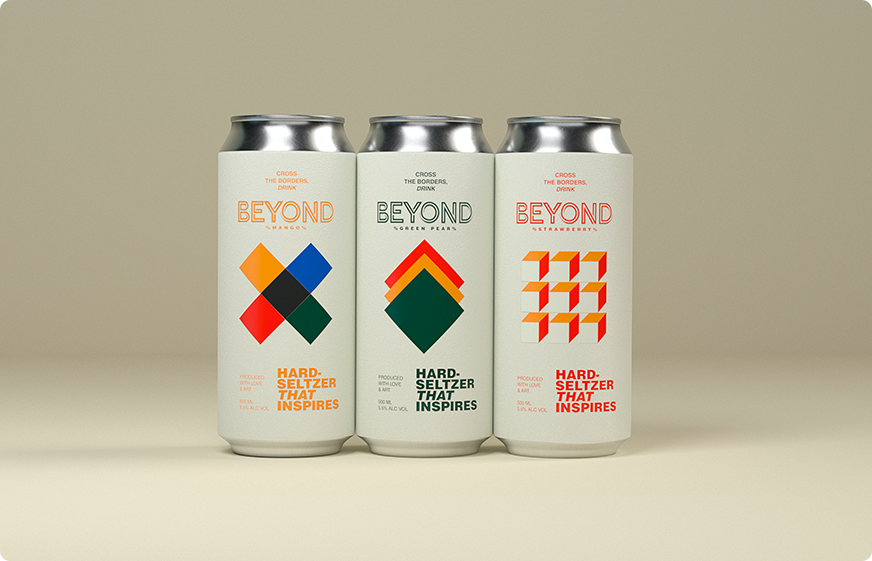
When users recognize a brand in search engine results pages (SERPs), they are more likely to click on it. This higher CTR sends positive signals to search engines like Google, which might interpret this as the result being more relevant or valuable to the query, thereby potentially improving the brand's organic rankings. Trusted brands benefit from this user trust, as their established reputation encourages more clicks compared to lesser-known entities.
Trusted brands naturally accumulate backlinks from other reputable sites, influencers, and media without much effort due to their established credibility. These high-quality backlinks contribute to domain authority, a significant factor in SEO. Search engines view these links as endorsements, boosting the brand's site in organic search rankings due to the increased trust and authority signaled by these links.
Google's algorithm places emphasis on E-A-T, especially for YMYL (Your Money or Your Life) topics. Established brands often have documented expertise, are recognized as authoritative sources, and are trusted by consumers and experts alike. This aligns perfectly with Google's criteria for high-quality content, thus enhancing their organic visibility.
For brands with physical locations, trust translates into better performance in local SEO. Positive reviews, consistent NAP (Name, Address, Phone Number) information, and high engagement on local listings boost visibility in local searches, which often blend into organic results, thereby increasing overall organic visibility.
Trusted brands usually have been around for a while, providing consistent quality over time. This longevity can contribute to historical data that search engines might consider, giving these brands an edge in terms of reliability and relevance in their sector, which helps maintain or improve their search rankings.